
Across the eastern hills
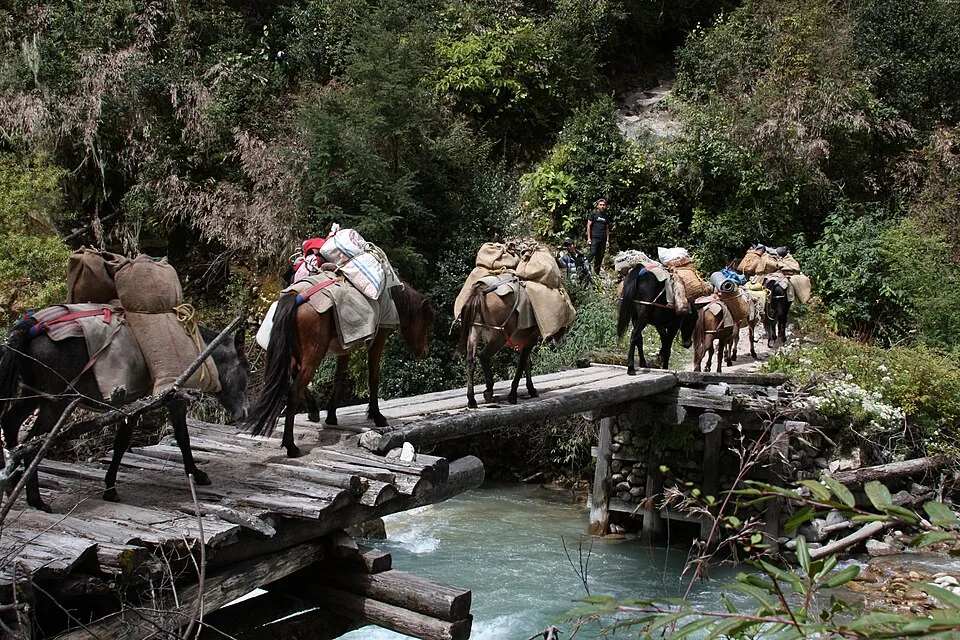
Indian equine researchers place the Bhutia’s home region in an area that includes Sikkim, Darjeeling, parts of Arunachal Pradesh and Bhutan. On hill routes these ponies worked both under saddle and with pack loads. Accounts of shared breeding with neighbouring pony populations help explain similarities with Tibetan and Spiti types.
A hill pony in profile
Observers have described a straight facial profile, short neck, deep chest and long mane. Grey animals are frequently recorded, alongside other colours. For an advertisement, record where the pony was bred, any known parents and the work it has actually done. Those details are especially helpful when local types look alike.
Preparing a new home
Find out what forage the pony receives and whether it lives with other horses. Have feed and safe turnout ready before it arrives. If you intend to use it for pack work, arrange a fitting with the pony present and inspect the skin after each outing. A small patch of rubbed hair is a reason to review the fit before the next journey.